

Losing a tooth can affect more than your smile. It can change how you chew, how clearly you speak, and how confident you feel in social settings or at work. If you have been weighing up your options, you have probably asked yourself: are dental implants worth it? The honest answer is that for many people, yes - but not always, and not for the same reasons.
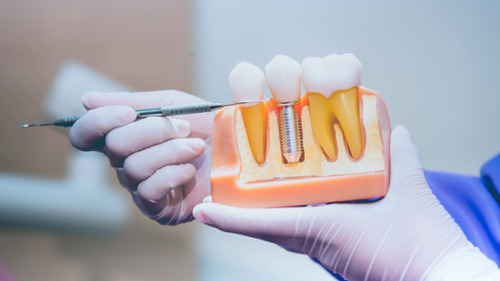
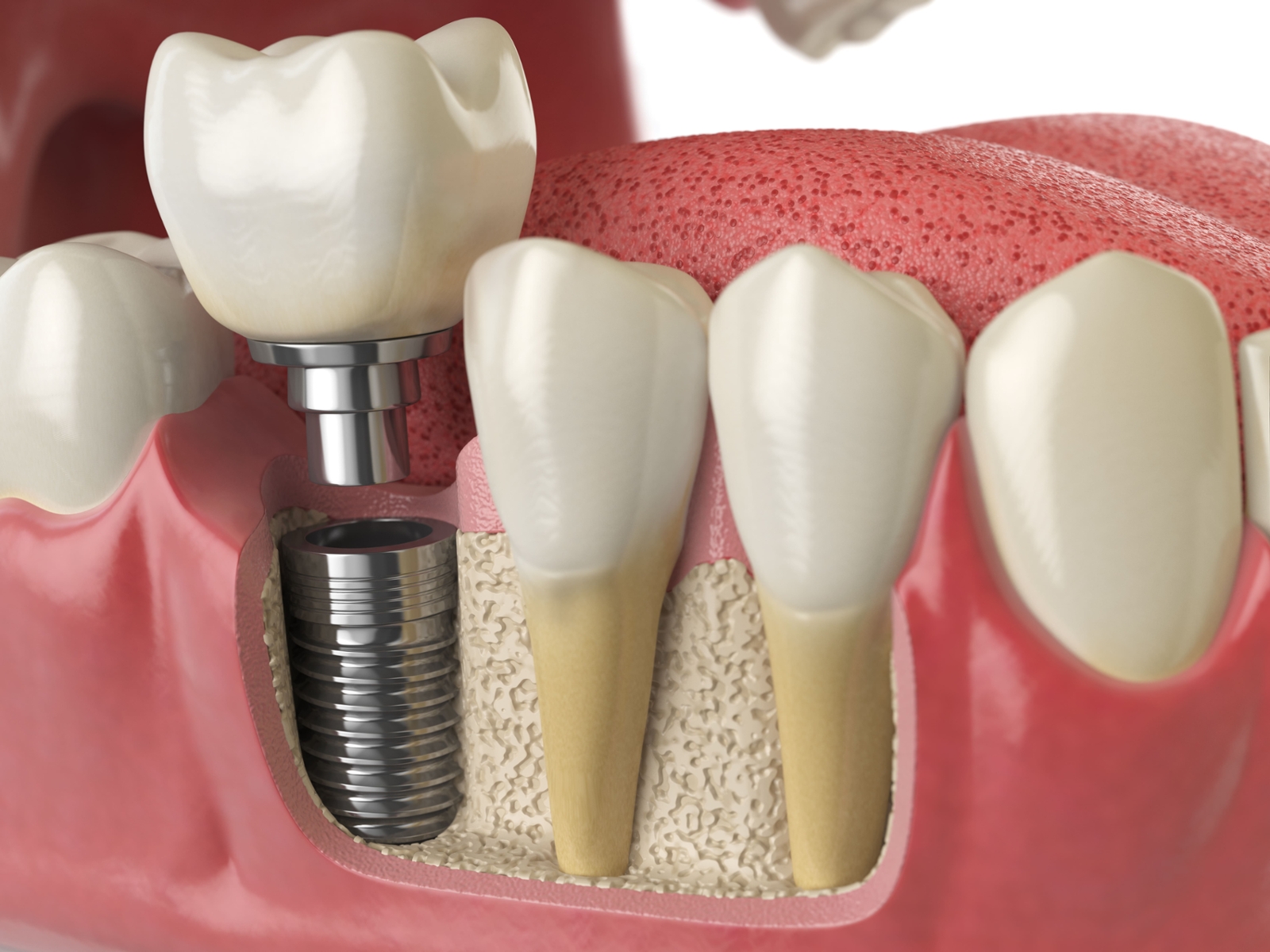
Dental implants are often seen as the closest replacement to a natural tooth. They are designed to sit in the jawbone and support a crown, bridge or denture, which gives them a different role from traditional dentures or bridges. That difference matters when you are deciding whether the investment makes sense for your health, comfort and long-term budget.
Are Dental Implants Worth It for Most Patients?
Dental implants can be worth it when the goal is not only to replace a missing tooth, but to restore function in a way that feels stable and natural. Because the implant is placed into the jawbone, it helps support the surrounding bone and creates a secure base for the tooth replacement. Many patients find this gives them more confidence when eating and speaking compared with removable options.
They can be especially worthwhile if you want a long-term solution. A well-planned and well-maintained implant can last many years. While no dental treatment lasts forever without care, implants generally offer excellent longevity when oral hygiene, regular check-ups and bite balance are all looked after properly.
That said, worth is personal. Some patients prioritize the most affordable upfront option, while others care more about stability, appearance or preserving nearby teeth. The right answer depends on what matters most to you.
 What You Are Really Paying For
One reason people hesitate is cost. Dental implants usually have a higher upfront fee than a denture or a bridge, and that can feel confronting. However, the fee reflects more than the visible tooth.
Implant treatment includes detailed assessment, imaging, planning, the implant itself, placement surgery, healing time and the final restoration. In some cases, extra procedures such as bone grafting or a sinus lift may also be needed. That is why implant costs can vary from person to person.
When patients ask whether implants are expensive, a better question is whether they offer value over time. If an implant performs well for many years and helps avoid the compromises of a removable appliance, some people see that as a worthwhile investment. Others may decide that a different treatment suits their budget and needs better right now. Both decisions can be reasonable.
The Benefits That Make Implants Appealing
The biggest advantage of implants is stability. Unlike dentures, they do not rely on sitting on the gums, and unlike a traditional bridge, they do not usually require shaping the teeth next door to support the replacement. For the right patient, that can be a major benefit.
Many people also like that implants look and feel more like natural teeth. You can usually brush and clean around them much like you would your own teeth, and there is no need to remove them at night if the restoration is fixed. That sense of normality matters more than many patients expect.
Another important point is bone support. When a tooth is lost, the jawbone in that area can gradually shrink over time. Because implants stimulate the bone more like a natural tooth root, they can help reduce this process. That can be particularly valuable if you are thinking long term about facial structure, denture fit or future treatment options.
When Implants May Not Be the Best Choice
Even if implants sound ideal, they are not automatically the best solution for everyone. Good implant treatment starts with good case selection. Factors such as gum health, bone quality, medical history, smoking, uncontrolled diabetes and bite forces all affect the likelihood of success.
Some patients are simply better suited to another option. If you have significant medical risks, limited bone volume, or you prefer to avoid surgery, a bridge or denture may be more appropriate. In other cases, an implant may still be possible, but the treatment may become more complex, take longer or cost more than expected.
This is where clear advice matters. A trustworthy dentist should not present implants as the only answer. The better approach is to explain the pros and cons of each option, then recommend treatment based on your mouth, your health and your priorities.
Are Dental Implants Worth It Compared With Bridges or Dentures?
 This comparison often helps people make sense of the decision. A bridge can be a very effective solution, especially if the neighboring teeth already need crowns. It is usually quicker than implant treatment and does not involve placing a fixture into the jawbone. The trade-off is that it depends on support from adjacent teeth, which may not always be ideal if those teeth are otherwise healthy.
Dentures can be the most affordable option upfront and can work well in many situations, particularly when several teeth are missing. But some patients find them less secure, less comfortable or less convenient over time. They may also need more adjustment as the gums and bone change.
Implants sit in a different category. They are usually the most tooth-like option, but they also involve surgery, healing time and a higher initial fee. So if you are asking whether implants are worth it compared with the alternatives, the answer depends on what compromise you are most comfortable with.
The Timeline and Commitment Involved
One of the less talked-about parts of implant treatment is patience. Implants are rarely a same-day fix in the way patients imagine. After assessment and planning, the implant is placed and then needs time to heal and bond with the bone before the final tooth is fitted in many cases.
For some patients, the process is straightforward. For others, especially if a tooth has been missing for a while or there is infection or bone loss, treatment may take longer. That does not mean implants are not worth it. It just means they are a planned treatment, not a quick patch.
There is also an ongoing commitment. Implants are not maintenance-free. They need excellent home care and regular professional reviews. Gum inflammation around implants can become serious if ignored, so daily cleaning and routine check-ups remain essential.
How to Judge Whether Implants Are Worth It for You
The best way to assess value is to think beyond the single question of cost. Ask yourself how important chewing comfort is, whether you are unhappy with movement from a denture, whether the appearance of a gap affects your confidence, and whether you want the most fixed and natural-feeling option available.
It also helps to consider your broader dental health. If several issues need attention, your dentist may recommend staging treatment so you can address urgent care first and plan implant treatment carefully. A personalized approach usually leads to better long-term outcomes than rushing into one solution.
At BMB Dental Clinic in Mona Vale, these conversations are part of good treatment planning. Patients across the Northern Beaches often want clarity on fees, alternatives, timing and comfort before deciding. That is entirely reasonable. Implant treatment should feel well explained, not pressured.
The Question Is Not Just "Worth It" — Worth It for What?
For one patient, dental implants are worth it because they can finally chew properly on one side again. For another, they are worth it because they no longer want a removable denture. For someone else, they may not be the right fit at all, at least not yet.
That is why this decision works best when it is grounded in your own goals. If you want a long-term, fixed option and you are a suitable candidate, implants can offer excellent value in comfort, appearance and function. If your circumstances point towards another treatment, that does not mean you are settling - it means your care is being tailored properly.
A thoughtful implant discussion should leave you feeling informed, not sold to. If you are considering replacing a missing tooth, the most helpful next step is a proper examination and a clear conversation about all your options, so the decision reflects your mouth, your budget and the way you want to live.