
Compare a dental bridge and implant for a missing tooth with guidance from the experienced team at BMB Dental Clinic in Mona Vale.
When a tooth is missing, both a dental bridge and a dental implant can restore appearance and chewing function. The treatments work differently, so the right choice depends on your neighbouring teeth, gum health, bone support, budget and preferred timeline.
At BMB Dental Clinic, we help patients in Mona Vale and surrounding northern suburbs compare their options without pressure. Our recommendations are based on what is most suitable for your mouth and long-term goals.
What is the difference between a bridge and an implant?
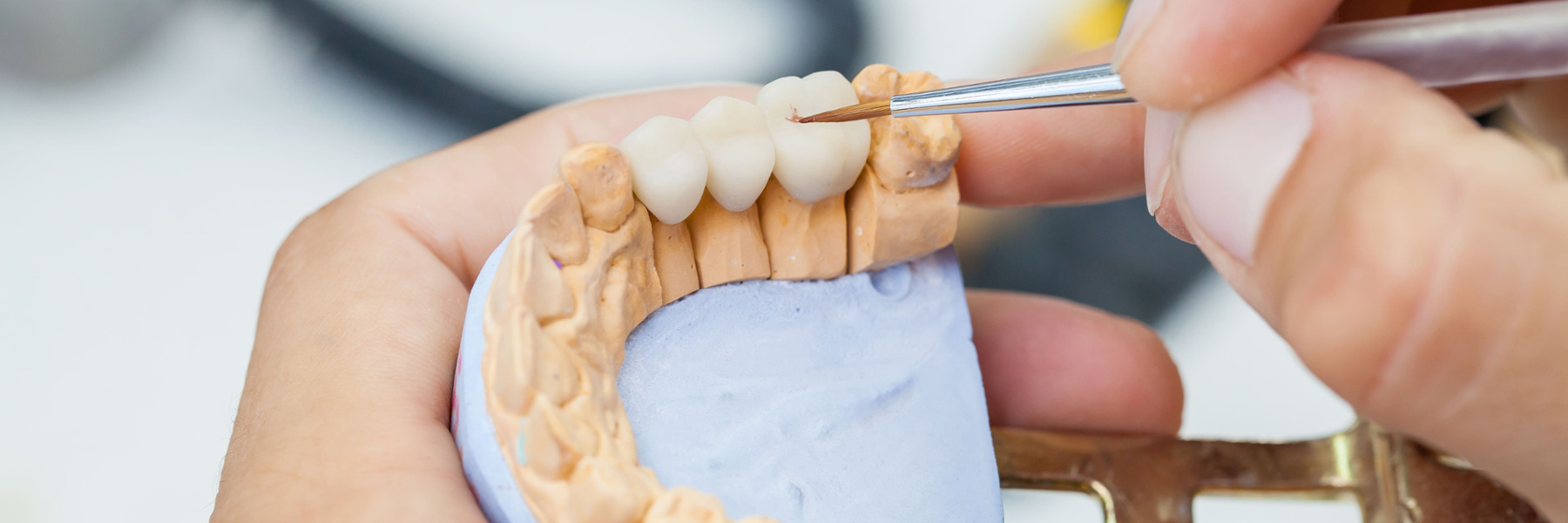
A dental bridge replaces a missing tooth by using teeth beside the gap for support. These supporting teeth are usually prepared for crowns, with an artificial tooth connected between them.
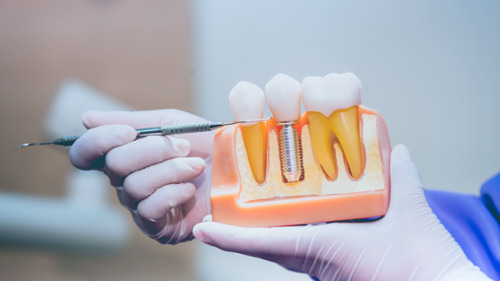
A dental implant replaces the missing tooth root as well as the visible tooth. A titanium fixture is placed in the jawbone and, after healing, supports a custom crown.
The main difference is that a bridge relies on neighbouring teeth, while an implant is independently supported by the jawbone.
When can a dental bridge be a good option?
A bridge may be suitable when the teeth beside the gap already have large fillings, damage or a need for crowns. In this situation, using those teeth as support may fit well within the overall restorative plan.
Bridges can also provide a faster result because there is no period for an implant to integrate with the bone. This may appeal to patients who wish to avoid surgery or complete treatment sooner.
The upfront cost may also be lower than implant treatment in some cases. However, the supporting teeth must be carefully assessed because they will carry additional load.
Advantages of a dental bridge
- Treatment can often be completed more quickly
- No implant surgery is required
- It can be practical when adjacent teeth already need crowns
- It provides a fixed replacement that is not removed at night
Limitations of a dental bridge
The neighbouring teeth usually need to be reshaped, even if they are otherwise healthy. Cleaning beneath the artificial tooth also requires special floss or interdental tools.
If decay or fracture affects one supporting tooth, the entire bridge may need repair or replacement.
When can a dental implant be a good option?
An implant may be preferred when the teeth beside the gap are healthy and do not need crowns. Because the implant is self-supporting, those teeth can remain untouched.
Implants can also help maintain bone in the area of the missing tooth. Patients often value their stability and tooth-like appearance when chewing, speaking and smiling.
Treatment takes longer because healing is required. Some patients may also need bone grafting before dental implant treatment if there is insufficient bone volume.
Advantages of a dental implant
- It does not usually require reshaping adjacent teeth
- It provides an independent, fixed tooth replacement
- It can help preserve bone around the missing tooth site
- It can look and feel similar to a natural tooth
- It can be cleaned separately from neighbouring teeth
Limitations of a dental implant
Implant treatment involves a surgical procedure and generally has a higher initial cost. Healing may take several months, and suitability depends on gum health, bone quality, medical history and smoking status.
Implants also need ongoing care. Although they cannot develop tooth decay, the surrounding gum and bone can become inflamed if plaque is not controlled.
Which option lasts longer?
Both bridges and implants can perform well for many years when carefully planned and maintained.
A bridge depends on the health of its supporting teeth. Decay, gum disease or fracture around either support tooth can affect the whole restoration.
An implant does not rely on neighbouring teeth, but it still requires excellent cleaning and professional review. Gum inflammation around an implant can threaten its support if it is not addressed early.
There is no maintenance-free option. The most suitable treatment is the one that can be kept healthy and functions predictably in your particular mouth.
How do bridge and implant costs compare?
A bridge may have a lower initial fee, particularly when no additional procedures are required. An implant often costs more because treatment includes surgical placement, implant components, healing assessments and the final crown.
The long-term value depends on the individual case. For example, an implant may preserve two healthy adjacent teeth, while a bridge may make excellent sense when those teeth already need crowns.
At your consultation, we will explain the treatment stages and likely costs so you can make an informed decision. You can also review available dental payment options.
Which option looks more natural?
Both treatments can achieve an attractive result. The final appearance depends on crown shape, shade, gum contours, tooth position and the skill of the treating team and dental laboratory.
An implant crown emerges from the gum as an individual tooth. A bridge can also blend naturally when the supporting teeth and artificial tooth are carefully designed.
In highly visible areas, treatment planning may need to account for gum level, bone shape and smile line before a final recommendation is made.
Does bone loss affect the decision?
After tooth loss, the jawbone in that area can gradually reduce in volume. An implant can stimulate the surrounding bone, but it needs adequate support at the time of placement.
If bone volume is limited, grafting may be considered. Patients who do not want grafting or are unsuitable for implant surgery may find a bridge more practical.
Dental X-rays and, where necessary, three-dimensional imaging help us assess the available bone accurately.
Do gum disease or teeth grinding matter?
Yes. Active gum disease should be treated before either restoration is completed. Healthy gums improve comfort, appearance and long-term stability.
Clenching and grinding also influence treatment planning. Strong bite forces can damage implant crowns, bridges and supporting teeth, so a protective night guard for teeth grinding may be recommended.
Questions to consider before deciding
Think about whether you are comfortable with surgery, how quickly you want the tooth replaced and whether the neighbouring teeth already need treatment.
It is also useful to consider your budget, ability to clean around the restoration and preference for preserving healthy tooth structure.
A proper examination is more valuable than choosing from a general online comparison. Your mouth may make one option clearly more suitable than the other.
Book a missing tooth consultation in Mona Vale
A bridge and an implant can both be excellent solutions when selected for the right reasons. The best option should restore comfortable function, protect your remaining teeth and fit your priorities.
Book a consultation with BMB Dental Clinic in Mona Vale to discuss replacing a missing tooth. Our experienced team serves Mona Vale and surrounding northern suburbs with clear, personalised advice.