
Discover how long dental crowns can last, what affects their lifespan and when to seek advice from BMB Dental Clinic in Mona Vale.
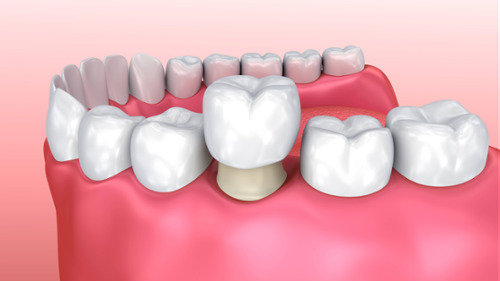
A dental crown protects and strengthens a damaged tooth, but it is reasonable to ask how long the restoration should last. Many crowns remain functional for 10 to 15 years, while some last considerably longer with good planning, oral hygiene and regular care.
At BMB Dental Clinic in Mona Vale, we provide personalised restorative dentistry for patients across the surrounding northern suburbs. Rather than giving every patient the same estimate, we consider the crown material, tooth condition, bite forces and daily habits.
What is the average lifespan of a dental crown?
A well-made crown can often last between 10 and 15 years. Some crowns need attention earlier, while others remain stable for 20 years or more.
Crowns do not usually fail simply because they reach a particular age. Problems more often develop because of decay at the crown margin, gum disease, tooth fracture, heavy grinding, loss of cement or wear to the crown material.
Regular dental check-ups in Mona Vale allow us to identify early changes before they cause pain or major damage.
What affects how long a dental crown lasts?
Several factors influence crown longevity. The most important include the health of the underlying tooth, crown fit, location in the mouth, material, bite pressure and home care.
The condition of the natural tooth
A crown covers the visible part of a tooth, but the supporting tooth structure remains important. If the tooth is badly weakened, heavily filled or cracked, its long-term outlook may be different from that of a tooth with more healthy structure.
Decay can still develop where the crown meets the natural tooth. Careful cleaning around this margin is essential.
Crown fit and design
A precisely fitted crown protects the tooth and helps limit plaque accumulation. The crown must also work correctly with your bite so that it is not exposed to excessive force.
At BMB Dental Clinic, treatment planning considers appearance, strength, tooth position and the way your upper and lower teeth meet.
Front teeth compared with back teeth
Front crowns are often designed with a strong focus on natural colour, shape and translucency. They generally experience less chewing force but may still chip through trauma, nail biting or using the teeth as tools.
Back teeth handle much heavier forces. Molars used for grinding food may require stronger restorative materials, particularly for patients who clench or grind.
Grinding and clenching
Bruxism can place repeated pressure on crowns and natural teeth. This may contribute to chipping, wear, loosening or fracture.
A custom night splint for teeth grinding may be recommended to protect your restorations and reduce excessive bite forces.
Oral hygiene and gum health
A crown itself cannot decay, but the natural tooth underneath it can. Brushing twice daily, using fluoride toothpaste and cleaning between the teeth help protect the crown margin.
Healthy gums also support the appearance and stability of the restoration. Professional cleaning may be advised at an interval suited to your individual risk.
Does crown material affect lifespan?
Different materials have different advantages. The best choice depends on where the tooth is located, how much force it receives and how natural the final result needs to look.
Ceramic and porcelain crowns
Ceramic crowns can provide excellent aesthetics, particularly for visible teeth. Their strength varies according to the type of ceramic and the clinical situation.
Zirconia crowns
Zirconia can offer high strength with a tooth-coloured appearance. It is often considered for back teeth or patients who need a durable restoration.
Porcelain-fused-to-metal crowns
These crowns combine an underlying metal structure with an outer porcelain layer. They can provide strength and acceptable aesthetics, although porcelain may chip and a darker edge may become visible if gums recede.
Metal crowns
Metal crowns are durable and require relatively little tooth reduction in some situations. Their colour means they are generally used where appearance is less important.
You can learn more about dental crown options here.
Signs that a crown may need attention
Crown problems are not always obvious. Contact a dentist if you notice:
- Pain or sensitivity when biting
- A crown that feels loose or moves
- A chipped or rough edge
- Food trapping around the crown
- Persistent gum tenderness or bleeding
- A change in your bite
- An unpleasant taste near the tooth
- A crown that has fallen out
Prompt emergency dental assessment may help protect the tooth and improve the chance of reusing or repairing the restoration.
How can you help a crown last longer?
Daily habits have a major influence on crown longevity.
Brush twice a day with fluoride toothpaste and clean between the teeth every day. Pay particular attention to the gumline where the crown meets the natural tooth.
Avoid chewing ice, biting very hard objects or opening packaging with your teeth. These habits can damage crowns and natural enamel.
Attend reviews at the interval recommended by your dentist. Small concerns are generally easier to manage when identified early.
How does root canal treatment affect a crown?
A crown is commonly placed after root canal treatment, particularly on a back tooth. Root-treated teeth can function well for many years, but they may be more vulnerable to fracture because of previous decay, cracks or loss of tooth structure.
The crown helps protect the tooth, but regular monitoring remains important. The long-term outcome depends on both the restoration and the condition of the remaining tooth.
Can a dental crown last for life?
Some crowns last for decades, but it is more realistic to view a crown as a long-term restoration rather than a lifetime guarantee. Teeth, gums and bite patterns change over time, and every restoration is exposed to years of daily chewing.
Needing a replacement after many years does not necessarily mean the original crown was unsuccessful. It may simply have reached the end of its useful service.
When should you speak with a dentist?
Arrange an assessment if your crown feels different, traps food, causes sensitivity or appears damaged. Even without pain, changes in fit or appearance can indicate a problem that is easier to manage early.
If you are considering a crown, a thorough examination will provide the most useful estimate for your individual tooth. We will assess the remaining structure, gum health, bite and any habits that could affect durability.
Book a dental crown consultation in Mona Vale
A well-planned crown should protect your tooth, restore comfortable chewing and blend naturally with your smile.
Book a consultation with BMB Dental Clinic in Mona Vale to discuss a damaged tooth or existing crown. Our experienced team welcomes patients from Mona Vale and the surrounding Northern Beaches suburbs and will explain your options clearly.