

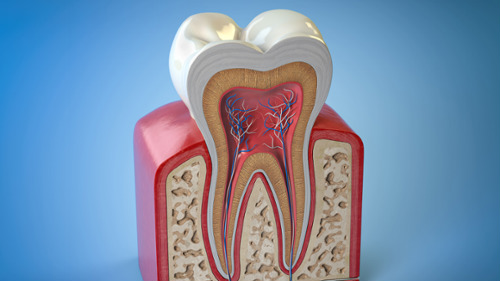
A tooth that throbs, reacts strongly to heat or cold, or hurts when you bite should not be ignored. These symptoms do not always mean you need root canal treatment, but they do require a careful dental assessment.
At BMB Dental Clinic, our experienced Mona Vale, Northern Beaches team assesses tooth pain, infection and dental trauma for patients from the surrounding northern suburbs. Our goal is to relieve discomfort, identify the cause and save your natural tooth whenever this is clinically appropriate.
When Is Root Canal Treatment Needed?
Root canal treatment may be recommended when the dental pulp inside a tooth becomes severely inflamed, infected or unable to heal. The pulp contains nerves and blood vessels, so damage in this area can cause significant pain and sensitivity.
Common causes include deep decay, a cracked tooth, repeated dental procedures, a large filling or trauma. In some cases, the problem develops gradually; in others, pain or swelling appears suddenly.
Not every toothache requires this treatment. Gum recession, a high filling, grinding, sinus pressure and cracked enamel can sometimes create similar symptoms. A professional examination is essential before treatment is recommended.
Signs You May Need a Root Canal
Symptoms vary from person to person. Some infected teeth are very painful, while others cause only mild discomfort or no pain until the condition has progressed.
Possible warning signs include:
- Lingering sensitivity to hot or cold
- Pain when biting or chewing
- A constant or recurring toothache
- Swelling near the tooth or jaw
- A pimple-like bump on the gum
- A bad taste or drainage near the tooth
- Darkening of the affected tooth
- Tenderness that interrupts sleep
If you have facial swelling, severe pain or signs of spreading infection, seek prompt emergency dental care in Mona Vale by contacting us directly.
Can a Tooth Need Treatment Even if the Pain Stops?
Yes. A sudden reduction in pain does not always mean the tooth has healed. The nerve may have stopped responding while infection remains around the root.
Pain relief medication may reduce symptoms temporarily, but it cannot remove infected tissue from inside the tooth. Early assessment usually provides more treatment options and reduces the risk of a dental emergency.
What Causes Infection Inside a Tooth?
Healthy enamel and dentine protect the pulp. When decay, a crack or trauma creates a pathway for bacteria, the pulp can become inflamed or infected.
Deep Tooth Decay
An untreated cavity can gradually progress through the outer layers of the tooth. Once bacteria reach the pulp, a simple filling may no longer be enough.
Regular dental check-ups and preventive care help identify decay before it reaches this stage.
Cracks and Fractures
A tooth may crack after biting something hard, receiving a blow or experiencing years of heavy bite forces. Some cracks are difficult to see but can still allow bacteria to enter.
Dental Trauma
A sporting injury, fall or accidental impact can damage the pulp even when the tooth appears intact. Symptoms may occur immediately or develop months or years later.
Repeated Dental Work
A tooth with several large fillings or repeated repairs can become stressed over time. Your dentist will assess how much healthy structure remains and whether the tooth can be restored predictably.
Root Canal Treatment or a Filling: What Is the Difference?
A filling repairs decay or damage within the hard outer part of a tooth. Root canal treatment is used when the pulp inside the tooth is irreversibly inflamed or infected.
If decay is small or moderate and the nerve remains healthy, a filling may be suitable. If tests show that the pulp cannot recover, covering the area with a filling alone will not resolve the underlying problem.
Some deep cavities sit close to the nerve without fully infecting it. In these cases, the dentist may discuss conservative treatment and careful monitoring where appropriate.
How Do We Confirm Whether You Need a Root Canal?
Diagnosis involves more than asking where it hurts. At BMB Dental Clinic, we consider the pattern and duration of your symptoms, examine the tooth and gums, test the tooth's response and assess your bite.
Dental X-rays may be taken to evaluate the roots, surrounding bone and signs of infection. This helps us distinguish nerve pain from gum problems, cracks, sinus-related discomfort and other conditions that may feel similar.
We also assess whether the tooth has enough healthy structure to support a long-term restoration. Saving the tooth is often preferred, but only when it offers a sensible and predictable outcome.
What Happens During Root Canal Treatment?
The area is thoroughly numbed before treatment begins. The infected or damaged pulp is removed, and the internal canals are carefully cleaned, disinfected and sealed.
Treatment may take one or more appointments depending on the tooth, the number of canals and the extent of infection. Our team explains each stage so you understand what to expect.
Afterwards, the tooth may feel tender for several days, particularly when biting. This usually settles as the surrounding tissues recover.
Will the Tooth Need a Crown Afterwards?
Many back teeth require a protective restoration after root canal treatment because they have often lost significant tooth structure. A custom dental crown can help reduce the risk of fracture and restore normal function.
The appropriate restoration depends on the location of the tooth, the remaining structure and your bite. We will discuss this before completing your treatment plan.
What Happens if Root Canal Treatment Is Delayed?
An untreated infection may spread from the tooth into the surrounding gum, bone or facial tissues. Pain and swelling can worsen quickly, and the tooth may become more difficult to save.
A tooth that could initially be treated may eventually require tooth extraction. Extraction can relieve the immediate problem, but it may also create decisions about replacing the missing tooth with an implant, bridge or denture.
Is Root Canal Treatment Always the Best Option?
No treatment is suitable for every tooth. If a tooth is severely fractured, has inadequate bone support or cannot be restored predictably, extraction may provide a better long-term outcome.
Our dentists will explain the advantages, limitations, likely costs and alternatives clearly. The final decision should reflect the condition of the tooth, your oral health and your priorities.
Book an Assessment for Tooth Pain in Mona Vale, Northern Beaches
Early care can mean simpler treatment, less discomfort and a better chance of keeping your natural tooth.
Contact BMB Dental Clinic in Mona Vale to arrange an examination for toothache, swelling or persistent sensitivity. Our caring team supports patients from Mona Vale and the surrounding Northern Beaches suburbs with clear advice and personalised treatment.