

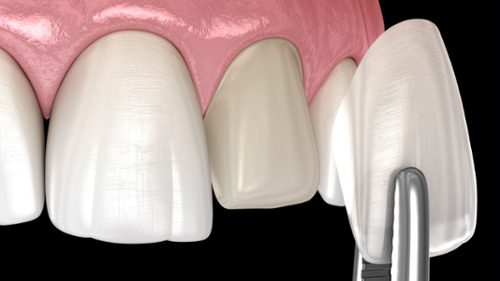
Veneers can make a significant difference to the appearance of a smile, so it is understandable to ask how long they should last before treatment is needed again.
Porcelain veneers commonly last around 10 to 15 years, while composite veneers often last around 4 to 8 years. Some last longer, but their lifespan depends on the material, your bite, oral hygiene, habits and the quality of treatment planning.
At BMB Dental Clinic in Mona Vale, our experienced team provides personalised cosmetic dental care for patients from the surrounding northern suburbs. We focus on creating results that look natural, function comfortably and remain maintainable over time.
How long do porcelain veneers last?
Porcelain veneers are generally the longer-lasting option. They are custom-made, stain-resistant and designed to retain their shape and colour for many years.
With careful planning and good maintenance, porcelain veneers can often last 10 to 15 years or longer. However, there is no fixed expiry date because every patient places different forces on their teeth.
A veneer may need replacement because of chipping, gum changes, decay in the supporting tooth, bond failure or changes in the surrounding smile.
How long do composite veneers last?
Composite veneers are applied directly to the teeth using tooth-coloured resin. They can often be completed more quickly and usually involve a lower initial cost.
They commonly last around 4 to 8 years, although this varies. Composite is more likely than porcelain to stain, lose polish, chip or wear at the edges.
Composite veneers can still be an excellent choice for suitable patients, particularly when a conservative or more affordable cosmetic option is preferred. You can learn more about cosmetic dental bonding.
What affects how long veneers last?
The material is important, but it is only one part of long-term success.
The health of the underlying teeth
Veneers rely on healthy natural teeth for support. Untreated decay, unstable fillings or gum disease can reduce the lifespan of the restoration.
Before treatment, your dentist should assess the enamel, gums, existing restorations and bite. Any active concerns should be managed first.
Teeth grinding and clenching
Grinding and clenching can place heavy pressure on veneers. This may lead to cracks, chips, edge wear or veneers becoming loose.
Many patients are unaware that they grind at night. If signs are present, a custom night splint for teeth grinding may be recommended to protect veneers and natural teeth.
Everyday habits
Veneers are designed for normal eating and smiling, not for opening packets or biting hard objects.
Chewing ice, biting fingernails, crunching hard lollies and using your teeth as tools can shorten the life of both porcelain and composite veneers.
Oral hygiene
Veneers cannot develop decay, but the natural teeth around and beneath them can. Plaque at the veneer margins can also cause gum inflammation and affect appearance.
Brush twice daily with fluoride toothpaste, clean between your teeth and attend regular dental check-ups and cleans.
Treatment planning and bite design
Long-lasting veneers require more than choosing a shade. The shape, thickness, tooth position, gumline and way your teeth meet must all be considered.
At BMB Dental Clinic, cosmetic treatment is planned around both appearance and function. A veneer should look attractive while fitting comfortably within your bite.
Porcelain veneers compared with composite veneers
Porcelain and composite can both improve tooth shape, colour, size and symmetry, but they have different advantages.
Benefits of porcelain veneers
Porcelain usually provides excellent colour stability and a natural enamel-like appearance. It is also more resistant to staining from tea, coffee and strongly coloured foods.
Porcelain veneers are made in a dental laboratory and generally involve more planning and a higher initial fee.
Benefits of composite veneers
Composite can often be placed in a single appointment and may require less tooth preparation in suitable cases. It can also be repaired more easily if a small chip occurs.
The trade-off is that composite generally requires more maintenance and may stain or wear sooner.
You can explore porcelain veneer treatment in Mona Vale.
Signs a veneer may need repair or replacement
Contact a dentist if you notice:
- A chipped, cracked or rough edge
- A veneer that feels loose
- Floss catching at the margin
- Discolouration around the edge
- Gum recession around the veneer
- Pain or sensitivity from the supporting tooth
- A change in your bite
- A veneer that looks different from neighbouring teeth
Early assessment may allow a small issue to be repaired before more extensive treatment is needed.
Can veneers last longer than 15 years?
Yes. Some well-planned and well-maintained porcelain veneers remain functional for considerably longer than 15 years.
However, gums, natural teeth and bite patterns change over time. Even when a veneer remains intact, the overall smile may need reassessment as surrounding teeth age or move.
It is better to view veneers as long-term restorations rather than lifetime restorations.
Are veneers permanent?
Traditional veneers are considered an irreversible treatment because a small amount of enamel may be removed to create space and achieve a natural result.
Once a tooth has been prepared, it will usually require ongoing coverage with a veneer or another restoration in the future. This is why treatment should be considered carefully rather than approached as a quick cosmetic change.
In some cases, less invasive options may be more suitable. These can include professional teeth whitening, clear aligners, composite bonding or dental crowns.
How can you make veneers last longer?
Use a soft toothbrush and non-abrasive toothpaste. Clean between the teeth daily and attend professional reviews at the interval recommended for you.
Avoid biting hard objects and seek advice if you clench or grind. A custom sports mouthguard is also important if you participate in contact sport.
Porcelain resists staining better than composite, but both still benefit from regular professional cleaning and good home care.
When are veneers a worthwhile option?
Veneers can be valuable when they address concerns such as worn edges, resistant discolouration, small gaps, uneven tooth shape or changes that cannot be managed predictably with whitening alone.
They may not be the first choice when gum disease, significant grinding, untreated decay or major bite concerns are present. These issues should be assessed and treated before cosmetic work begins.
A personalised consultation helps determine whether veneers, bonding, whitening or orthodontic treatment provides the most conservative and stable result.
Book a veneer consultation in Mona Vale
Porcelain and composite veneers can provide attractive, long-lasting results when they are carefully planned and properly maintained.
Book a cosmetic consultation with BMB Dental Clinic in Mona Vale to discuss your smile, treatment options and likely veneer lifespan. Our experienced team welcomes patients from Mona Vale and surrounding Northern Beaches suburbs and will provide clear, personalised advice.